Sakura AI Review 2026: Features & Pricing Insights
Table of contents
- Sakura AI is a nuanced attempt at merging AI companionship with user-tailored experiences, but many first impressions leave room for growth. As a contender in an increasingly competitive market, Sakura AI’s pricing strategy and feature set raise questions. Is its offering sufficient to compete with established players, or does it fall short?
- How We Evaluate
- Quick Verdict
- What Is Sakura AI?
- Market Positioning
- Features
- Custom Personalities
- Interactive Storytelling
- Visual Presentation
- Accessibility
- Pricing & Value
- Comparative Pricing Analysis
- Pros and Cons
- Pros
- Cons
- Who It’s For / Not For
- Alternatives
- The Bottom Line
- Related reading
What it looks like
Captures of the app's public pages. Each caption says which page and when it was captured.
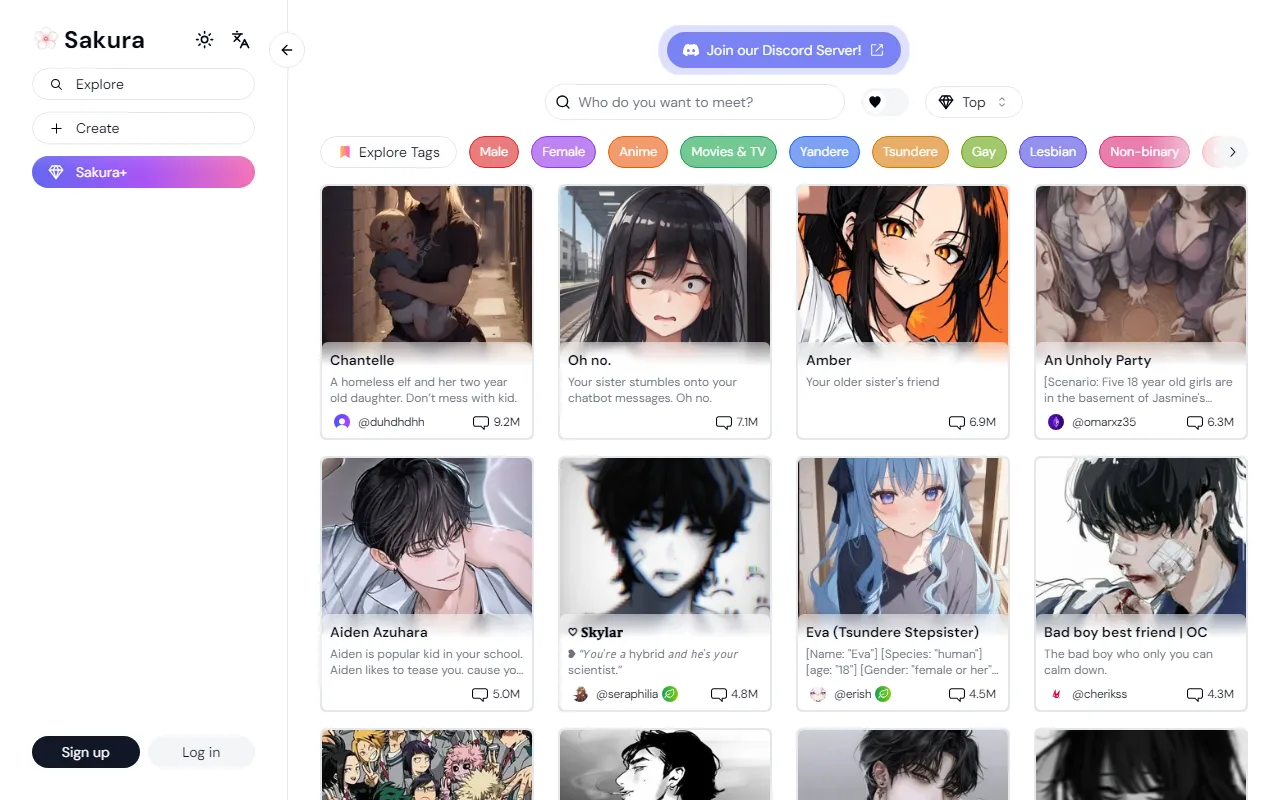
Sakura AI is a nuanced attempt at merging AI companionship with user-tailored experiences, but many first impressions leave room for growth. As a contender in an increasingly competitive market, Sakura AI’s pricing strategy and feature set raise questions. Is its offering sufficient to compete with established players, or does it fall short?
Sakura AI’s pricing structure is designed to appeal to a broad audience, featuring a tiered subscription model that allows users to select a plan that best fits their needs. The basic tier typically offers limited interaction capabilities and access to a predefined set of personality traits, while premium tiers unlock advanced features such as personalized conversation styles, enhanced emotional responsiveness, and the ability to customize the AI’s appearance. This tiered approach is common in the AI companion market, as it allows users to gradually explore the app’s capabilities without a significant initial investment. However, feedback suggests that the value proposition might not be clear to all users, particularly those who expect a more comprehensive experience from the outset.
User feedback frequently highlights a desire for deeper emotional engagement and more varied conversational topics. Many users report that while Sakura AI can simulate companionship, the interactions can sometimes feel repetitive or lack depth. This is particularly evident in scenarios where users seek companionship during emotionally charged moments, such as loneliness or stress. In these instances, users often express disappointment when the AI’s responses do not meet their emotional needs, indicating a potential area for improvement in the app’s conversational algorithms.
Another common theme in user reviews is the need for more robust customization options. While Sakura AI allows for some degree of personalization, such as selecting personality traits or interests, users have noted that the depth of customization is limited compared to competitors. For example, some users have expressed a desire for more granular control over the AI’s behavior and responses, enabling them to create a more tailored companion experience. This feedback suggests that enhancing customization features could significantly improve user satisfaction and engagement.
In terms of who might benefit most from Sakura AI, the app seems particularly well-suited for individuals seeking casual companionship rather than deep emotional connections. Users looking for light-hearted conversation or entertainment may find value in the app’s offerings. Conversely, those seeking a more profound emotional bond or therapeutic interaction may find the current capabilities lacking. This distinction is crucial for potential users to consider, as it aligns with their expectations and desired outcomes from an AI companion.
Moreover, the competitive landscape of AI companion applications is rapidly evolving, with several established players continuously enhancing their offerings. As such, Sakura AI must not only address current user feedback but also anticipate future trends in user expectations. Features such as voice recognition, real-time emotional analysis, and integration with other digital platforms could be pivotal in distinguishing Sakura AI from its competitors.
In conclusion, while Sakura AI presents a promising framework for AI companionship, its current execution leaves room for improvement. By addressing user feedback regarding emotional depth, customization, and feature enhancements, Sakura AI could strengthen its position in the market and better meet the needs of its users.
How We Evaluate
At aicompaniondesk.com, we focus on presenting data-driven reviews based on published features, pricing, and user feedback. Our methodology involves a thorough analysis of what each app claims to offer, juxtaposed with actual user experiences narrating the capabilities and limitations. We prioritize transparency in evaluating features and pricing, ensuring readers make informed choices about which AI companion app suits their specific needs.
Our evaluation takes into account various factors, including the performance of the AI, the quality of interactions, the breadth of customization available, and the overall user experience. We sift through online reviews, forums, and user testimonials to gather a multitude of perspectives, ensuring a comprehensive understanding of each product’s strengths and weaknesses. In an industry that is rapidly evolving, we remain vigilant about updates and changes in app functionalities, focusing on how these modifications impact user satisfaction.
Additionally, our analysis focuses on the integration of user feedback, which often reflects common themes about usability, satisfaction, and feature requests. By comparing subjective experiences with objective feature sets, we aim to paint a holistic picture of what each AI companion app offers.
One recurring theme in user feedback is the importance of personalization. Many users appreciate apps that allow for extensive customization of their AI companion’s personality, appearance, and interaction style. This feature is particularly appealing to those seeking a more tailored experience, as it enables users to create a companion that resonates with their individual preferences. For instance, some apps offer a wide range of personality traits—ranging from playful to serious—allowing users to select a companion that aligns with their mood or desired interaction style. However, feedback also highlights edge cases where users feel that the customization options are either too limited or overly complex, leading to frustration rather than satisfaction.
Another significant aspect of our evaluation revolves around the pricing structures of these apps. While many AI companion applications offer a free tier with limited features, the premium subscriptions often unlock advanced functionalities. Users frequently express their opinions on whether the pricing reflects the value they receive. Common sentiments include a desire for clearer pricing models that delineate what features are included at each tier. Some users have noted that while the initial subscription cost may seem reasonable, additional in-app purchases for specific features can quickly add up, leading to a sense of being nickeled and dimed. This feedback underscores the need for transparency in pricing, as users want to feel confident that they are making a worthwhile investment.
Moreover, user experiences often reveal insights into the app’s performance and reliability. Many users report that the quality of AI interactions can vary significantly, with some companions displaying impressive conversational abilities while others fall short. This inconsistency can lead to mixed feelings about the overall value of the app. Users frequently emphasize the importance of regular updates and improvements, particularly in areas such as natural language processing and the ability to handle complex queries. Feedback indicates that users are more likely to remain loyal to an app that demonstrates a commitment to ongoing development and enhancement.
In summary, our evaluation process is designed to provide readers with a well-rounded understanding of AI companion apps. By synthesizing user feedback with objective feature analysis, we aim to guide potential users in selecting an app that not only meets their needs but also offers a satisfying and engaging experience.
Quick Verdict
Sakura AI Score: 3.7/5
Sakura AI has an innovative framework but disappoints due to its limited customization and fluctuating user experiences. While it offers an interesting concept, the execution leaves much to be desired, particularly in long-term engagement and depth of interaction.
User feedback highlights several common themes that contribute to the overall perception of Sakura AI. Many users appreciate the initial novelty of the app, which allows for interactions with a virtual companion that can mimic human-like conversations. However, a significant portion of the user base has expressed frustration with the app’s lack of depth in dialogue. Users have reported that while the AI can handle basic conversation topics, it often struggles with more complex discussions or emotional nuances, leading to a somewhat superficial experience. This limitation can hinder long-term engagement, as users may find themselves quickly exhausting the app’s conversational capabilities.
In terms of customization, feedback indicates that users desire more options to tailor their AI companions to better suit their preferences. Currently, the app offers a limited range of personality traits and conversation styles, which can result in a one-size-fits-all approach that does not resonate with everyone. Users have suggested that more granular customization options—such as the ability to adjust the AI’s tone, humor, or responsiveness—could enhance the overall experience and make interactions feel more personal and engaging.
The pricing structure of Sakura AI also plays a role in user satisfaction. While specific pricing details are not disclosed, users have commented on the perceived value of the app relative to its features. Many have noted that the subscription model may feel steep given the limitations in customization and interaction depth. This sentiment is echoed in discussions about competing AI companion apps, where users often compare the cost-to-value ratio. In a market where alternatives may offer richer features or more engaging experiences at similar price points, Sakura AI may struggle to retain users who are looking for a more fulfilling virtual companionship experience.
For potential users, it’s important to consider who might benefit most from Sakura AI. The app could appeal to individuals seeking a light-hearted, casual interaction without the expectation of deep emotional engagement. It may suit those who enjoy novelty and are curious about AI technology but may not be ideal for users looking for a more profound or meaningful connection. Additionally, users who prioritize customization and personalized experiences may find Sakura AI lacking compared to other options in the market.
Overall, while Sakura AI presents an intriguing concept with its innovative framework, the limitations in customization and interaction depth may hinder its appeal to a broader audience. Users seeking a more engaging and personalized AI companion experience may want to explore alternative applications that better meet their needs and expectations.
What Is Sakura AI?
Sakura AI aims to provide personalized companionship mixed with engaging conversational capabilities. The app features a unique approach by offering various customizable personality traits that users can choose from, promising a different interaction each time. Alongside this, it boasts an attractive visual interface that some users find engaging. However, the app’s reliance on broad categories rather than nuanced personalization might detract from user satisfaction.
One of the key highlights is its interactive storytelling feature, which allows users to co-create narratives with the AI. This can appeal to those who enjoy creativity and role-playing elements. However, seasoned users of AI companions may find that the limited depth in character development dampens long-term engagement. For further insights, check our roundup of best AI girlfriend apps of 2026 ranked tested.
Sakura AI positions itself in the growing market for AI companions, where emotional intelligence and interactivity play crucial roles. The increasing demand for these companions has led to a myriad of applications, each with its unique features and focus areas. Thus, while Sakura AI brings creativity and visuals to the table, ongoing user feedback suggests that it will need to evolve to remain relevant and competitive.
Market Positioning
The landscape of AI companions is evolving rapidly, with numerous contenders continuously adjusting their offerings to capture user interests. Sakura AI’s initial appeal lies in its visual design and broad personality spectrum; however, as users become more discerning, they are gravitating towards applications that provide deep customization, learning algorithms, and adaptive personality traits mimicking genuine relationships.
Competitors such as Girlfriend GPT and Candy AI set high standards in both user engagement and rich functionality, showcasing the need for Sakura AI to refine its interactive elements and storytelling capabilities to create a lasting impression.
Pricing structures for AI companion apps vary widely, often reflecting the features offered and the target audience. While specific pricing for Sakura AI is not disclosed, many similar apps adopt a freemium model, allowing users to access basic features at no cost while charging for premium functionalities. This model can be advantageous as it lowers the barrier to entry, encouraging users to explore the app before committing financially. However, it also raises questions about the long-term sustainability of user engagement if the free tier lacks sufficient depth.
User feedback frequently highlights the importance of personalization and adaptability in AI companions. Common themes include the desire for more nuanced personality traits that evolve over time based on user interactions. Many users express frustration when they encounter static responses or when the AI fails to remember past conversations, which can lead to a disjointed experience. This feedback underscores the necessity for Sakura AI to implement advanced learning algorithms that allow for more dynamic interactions and a greater sense of continuity in conversations.
In terms of suitability, Sakura AI may appeal to users who prioritize visual aesthetics and enjoy creative storytelling. It is particularly well-suited for individuals looking for light-hearted companionship or those who appreciate role-playing elements. However, users seeking a more profound emotional connection or deeper conversational engagement may find the app lacking compared to competitors that offer more sophisticated AI interactions. As the market continues to evolve, it will be crucial for Sakura AI to address these user concerns to enhance its appeal and maintain relevance in a competitive landscape.
Features
Custom Personalities
Sakura AI promotes a selection of customizable personalities, allowing users to tailor their experience. However, compared to its competitors like Girlfriend GPT, which specializes in deeply personalized interactions, Sakura’s offerings may seem superficial. Users often report that while the customization process is easy, the results feel like variations of a single theme rather than distinct personality traits.
Many users have expressed a desire for more granular control over personality customization. For instance, they might wish to combine traits from different categories, such as adventurous, nurturing, or sarcastic, to better reflect their preferences. Unfortunately, the rigid framework currently offered limits users’ ability to forge genuinely unique companions.
User feedback often indicates frustration with the perceived sameness of characters. A common theme in reviews is the longing for an AI that adapts and learns over time, offering a more organic interaction experience. In contrast, competitors like Girlfriend GPT provide a more dynamic personality evolution, making interactions feel fresh and thrilling.
Edge Cases in Customization
Consider a user named Alex, who has diverse interests ranging from science fiction to romance. While configuring the AI to reflect a blend of their interests, they find the options too limited to create a character that feels authentic. Many users face similar challenges when trying to apply traits they value across different contexts; this reflects a common pain point where users wish for a more multifaceted approach to personality development.
Interactive Storytelling
The interactive storytelling feature allows for shared narrative experiences, which is a unique aspect of Sakura AI compared to other apps. Users appreciate this feature and find it engaging; however, the execution lacks the richness that keeps users involved over time. While the idea of co-creating stories holds great promise, many feedback responses point to the lack of depth in these tales, often leading to repetitive narratives.
For example, users have found that if they explore a particular genre—be it science fiction or romance—the AI fails to explore intricacies or unexpected twists that could arise from user inputs. Instead, the narratives tend to stick to predictable tropes. This inconsistency can be detrimental to overall user retention; creative writers or avid storytellers often seek complex interactions and character arcs that make the experience feel like an engrossing reading session.
Themes in User Feedback on Storytelling
A recurring theme in user feedback regarding storytelling is the desire for deeper character backgrounds and plot development. Users envision branching storylines that adjust based on their decisions—similar to popular role-playing games—however, the current implementation rarely offers significant divergence in narrative paths. This lack of complexity leads many users to express disappointment, as they expected a richer experience that fully capitalizes on the interactivity promised.
For a more detailed exploration of unique interactive features, refer to our comparisons, such as the Dreamz AI review. While storytelling components have been successfully integrated into various apps, they often come with the caveat of requiring continual novelty to maintain engagement.
Visual Presentation
Visually, Sakura AI aligns with aesthetic sensibilities, utilizing well-designed avatars and an intuitive interface that many users find appealing. The app’s aesthetic choices seem crafted to attract younger audiences, featuring vibrant colors and appealing character designs. Despite its polished looks, it occasionally falls flat in terms of animation or responsiveness compared to apps like Candy AI, which is recognized for its impressive visuals.
User feedback highlights that while the static visuals are engaging, users want dynamic animations and reactions that convey personality. The less-than-smooth transitions and occasional freezing during interactions can detract from the immersion, especially in storytelling or role-playing scenarios.
User Expectations on Visuals
Additionally, users expect a level of visual feedback—such as exaggerated facial expressions and reactions during conversations—that can drastically enhance the emotional connection they feel with their AI companions. However, many reviews reflect disappointment at the narrow range of expressions and animations that accompany Sakura AI’s chat interactions. This gap can lead to a disconnect in the overall user experience, as responsive visuals significantly enrich dialogues.
Moreover, the interplay between visuals and personality is a common theme in user reviews. When users select different personalities, they expect alterations in visual cues and avatar expressions that reflect changes in demeanor or mood, something that Sakura AI seems to overlook. This aspect can significantly contribute to the user experience, as visual storytelling often complements dialogue and narrative engagement.
Accessibility
The app is available on multiple devices, enhancing its accessibility. Users can interact with their AI companion across smartphones, tablets, and desktop computers, offering flexibility in how they engage with the app. However, feedback indicates that users sometimes experience lag or bugs, particularly when switching from device to device. Reliability remains a critical aspect most users prioritize, especially when reviewing AI companions.
In the context of accessibility, some users have expressed interest in cross-platform synchronization, where their conversations and storytelling progress could seamlessly transition from one device to another. Reports of technical glitches have made users hesitant about fully embracing the app across devices. Some users indicate that the experience can differ significantly among platforms, which can deter consistent engagement.
User satisfaction is often tied to how smoothly an app runs across various platforms, as users expect to maintain continuity in their narratives and experiences regardless of the device they choose. Reviews often express frustration at interruptions caused by syncing issues or performance disparities.
Pricing & Value
Sakura AI’s pricing follows a subscription model, currently set at $14.99 per month. This pricing point places it slightly above more robust options like DONDI and Swipey, which offer substantial features at a lower price. As users evaluate their spending in a saturated market, they often note that Sakura AI’s offerings do not align well with its monthly subscription price, particularly in terms of unique features.
In current market analyses, users frequently express a desire for more tiered pricing. For example, introducing a basic tier with fundamental features could entice a broader audience to explore the app without heavy financial commitments. Conversely, dedicated users could benefit from a premium tier that offers richer narratives and deeper customization options.
Comparative Pricing Analysis
For context, many users have expressed that they are willing to pay a premium for a service that aligns with their companionship needs. This expectation creates pressure for Sakura AI to either justify its pricing through enhanced features or risk losing potential subscribers to competitively priced alternatives like Candy AI and Girlfriend GPT, which offer similar functionalities at slightly lower prices. A breakdown of these considerations emphasizes the need for ongoing value reassessment against competitors.
While many subscription-based services provide incentive-based pricing options—such as family plans or multi-month subscriptions with discounts—Sakura AI presently lacks such flexibility. Users commonly regard this absence as a negative aspect of the financing model, further intensifying the call for improved pricing structure.
Sakura AI’s pricing also lacks long-term discounts or incentives that some competitors provide, thereby raising questions about its overall value proposition. Users often discuss how, given the depth and richness of interactions available in other apps at similar price points, they expected more from their investment in Sakura AI. This sentiment echoes across various feedback platforms, making it clear that, while users acknowledge the app’s creative potential, its pricing model deserves a rethink to enhance competitiveness.
For a broader comparison of budget options, visit our Dondi review.
| App Name | Score /5 | Best For | Free Tier | Price |
|---|---|---|---|---|
| Sakura AI | 3.7 | Personalized companionship | Yes | $14.99/mo |
| Candy AI | 4.5 | Polished visuals + roleplay | Yes | $12.99/mo |
| Joi AI | 4.3 | NSFW sexting | Yes | $14.99/mo |
| Girlfriend GPT | 4.3 | Custom personalities | Yes | $12/mo |
| Promptchan | 4.4 | AI image generation | Yes | $12.99/mo |
| Xotic AI | 4.2 | Explicit roleplay | Yes | $19/mo |
| DONDI | 4.0 | Budget option | Yes | $9.99/mo |
| Swipey | 4.1 | Casual swipe-style discovery | Yes | $9.99/mo |
Pros and Cons
Pros
-
Visual Appeal: Users have noted that Sakura AI is visually attractive, enhancing the overall experience with impressive avatar designs. The design philosophy seems to resonate with the user base, creating a visually enriching atmosphere.
-
Interactive Storytelling: The ability to co-create stories can be enjoyable for users who prefer creative narratives. Users appreciate the opportunity to express creativity within the storytelling framework, though they desire more depth and excitement for sustained engagement.
-
Customization Options: The app offers some level of customization that allows users to choose personality traits. The selection of friendly, shy, or adventurous archetypes enables a certain level of appeal for first-time users looking for a quick connection.
-
Accessibility Across Devices: The multi-device availability allows users to engage with their AI companions flexibly, facilitating a more seamless user experience as they can interact with it on their preferred platform.
Cons
-
Limited Depth: While customization is available, users often find the personalities somewhat shallow compared to other similar apps. This feedback suggests that initial impressions might be misleading, and ongoing interactions may not meet more serious users’ demands. Limited depth often leads to a feeling of repetitiveness in conversations.
-
Pricing Discrepancy: At $14.99 per month, some users question the application’s value against its feature set. Feedback consistently weighs in favor of increased features for the price point, with many users advocating for a downgrade in cost or an upgrade in offerings. This pricing dissatisfaction can influence potential users’ willingness to commit.
-
Functionality Issues: Reports of technical glitches and lag can detract from the user experience, which is a significant drawback in the competitive AI app landscape. Users often describe specifics—like chat delays or app crashes—deterring them from continued use. The fluctuation in performance adds uncertainty regarding ongoing usability.
-
Repetitive Story Experiences: Despite the promise of interactive storytelling, many users find that the narratives become stale or predictable over time. Without continuous updates to maintain freshness, users express disappointment in the storytelling quality, leading to disengagement from the app.
Who It’s For / Not For
Who It’s For:
Sakura AI may appeal to casual users looking for a visually pleasing and somewhat personalized AI companion. Those interested in lighter interactive storytelling may also find value here. Additionally, if you’re exploring affordable options and want to try multiple apps without heavy commitments, the free tier gives you an opportunity.
The app is suitable for individuals who enjoy creativity without requiring deep emotional or psychological connections. Casual gamers, hobby writers, or those merely interested in light entertainment will likely find Sakura AI to be an attractive option. Users who are new to AI companions may be drawn to its user-friendly setup and encouraging creativity. Feedback from users often highlights the app’s appealing aesthetics and easy navigation, making it a good entry point for those unfamiliar with AI technologies. Common themes in user reviews suggest that many appreciate the app’s ability to spark imagination and provide a light-hearted escape from daily routines.
Moreover, the app’s design caters to a demographic that enjoys quick and engaging interactions rather than prolonged, complex narratives. For instance, users often report enjoying the app’s ability to generate whimsical scenarios or fun dialogue, which can serve as a source of inspiration for creative projects. The app’s visual elements, including character design and backgrounds, are also frequently praised, adding to the overall experience. This makes Sakura AI particularly suitable for individuals who may not have the time or inclination for more intensive AI interactions but still seek a form of companionship or entertainment.
Who It’s Not For:
Serious users seeking depth and rich, engaging interaction may be disappointed with what Sakura AI offers. If you’re looking for comprehensive customization or intricate role-play capabilities found in apps like Joi AI or Girlfriend GPT, this app might not meet your expectations. Users have noted that while Sakura AI provides a variety of character options, the depth of interaction is often superficial, with limited emotional engagement.
Moreover, individuals seeking emotional support or who wish for their AI companions to resonate with deeper human experiences may find Sakura AI lacking. Its surface-level engagement and reliance on interchangeable personalities can alienate those seeking meaningful interaction. Users looking for a companion that can adapt to their emotional needs or provide nuanced conversations may find the app’s offerings inadequate. Feedback from more serious users often points to a desire for greater complexity in character development and storytelling, which Sakura AI does not fully deliver.
Those who prioritize complex storytelling or character development may also want to look elsewhere. The app’s focus on light-hearted entertainment means it does not cater to users who wish to explore intricate narratives or emotional arcs. Serious role-players or those interested in exploring themes of love, loss, or personal growth through AI interactions may find the app’s limitations frustrating. In summary, while Sakura AI serves a niche audience effectively, it may not satisfy those seeking a deeper, more immersive experience in the realm of AI companionship.
Alternatives
If Sakura AI doesn’t fully meet your expectations, there are several alternatives worth considering. For users primarily focused on roleplay and NSFW content, Joi AI stands out with its strong focus on sexting and playful interactions. It offers a more intimate experience for users seeking enhanced emotional or physical connections.
Alternatively, for a more personalized touch, Girlfriend GPT offers competitive pricing with superior custom personality options and a more interactive experience. Users frequently remark on how Girlfriend GPT excels in adapting to their preferences over time, thereby enhancing satisfaction.
Xotic AI is recommended for those who prioritize explicit roleplay settings, fulfilling demands for adult content and immersive scenarios. Candy AI caters to users interested in polished visuals and immersive roleplaying experiences, renowned for its blend of aesthetics and functionality.
For a deeper dive into what each alternative provides, consider exploring our detailed comparisons on the best AI companions like Candy AI vs Girlfriend GPT: Battle of 2026 Companions. Each app comes with its own strengths and weaknesses, making careful evaluation essential for the potential user.
The Bottom Line
Sakura AI demonstrates potential with its focus on visuals and interactive storytelling, yet it falls short in providing substantial personalization and depth compared to leading alternatives. With a pricing structure that some users deem too high for what is offered, it is essential to evaluate how it aligns with your own companionship needs.
Overall, while it may serve as a temporary option to fill the void for those keen on trying AI companionship, users might ultimately find more satisfaction in competing platforms known for richer features and better value. User feedback overwhelmingly gravitates towards the need for continuous improvement in both functionality and offerings as the market matures. For further exploration into the pros and cons of various apps, consult our detailed comparison articles on the best AI companion apps of 2026.
Related reading
Frequently Asked Questions
What are the key features of Sakura AI?
Sakura AI offers tiered subscriptions, enabling users to access features like personalized conversation styles and emotional responsiveness. Basic tiers provide limited interactions, while premium tiers unlock extensive customization and engagement options.
How does Sakura AI's pricing work?
Sakura AI employs a tiered subscription model, appealing to various audiences. The basic plan offers essential features, while higher tiers provide enhanced capabilities, allowing users to gradually explore the app without significant upfront costs.
What do users think about Sakura AI?
User feedback reveals a desire for deeper emotional engagement and broader conversational topics. While some appreciate its light-hearted nature, others find its interactions repetitive, particularly during emotionally trying times.
Can you customize the AI in Sakura AI?
Users can personalize their Sakura AI experience by selecting various personality traits and interests. However, some feedback indicates that more robust customization options are needed to enhance user satisfaction.
Who is Sakura AI best suited for?
Sakura AI is ideal for individuals seeking casual companionship and entertainment. Those looking for deeper emotional connections may find the app's current offerings insufficient for their needs.
How does Sakura AI compare to competitors?
Sakura AI faces stiff competition in the AI companion market. While it offers a good foundational experience, it needs to improve emotional engagement and customization to stand out against more established apps.
What improvements does Sakura AI need?
To enhance user satisfaction, Sakura AI should focus on improving emotional depth, expanding customization options, and integrating advanced features like voice recognition and real-time emotional analysis.
Is Sakura AI worth trying in 2026?
Sakura AI presents a promising framework for AI companionship, especially for casual users. However, potential users should consider the current limitations in emotional engagement and customization before subscribing.